16 Collarbone Lob Hairstyles With Longline Trench Coats
Collarbone lobs and longline trench coats create a polished, balanced silhouette with enough movement to make transitional-season outfits feel effortlessly put together.
The collarbone lob sits in a particularly versatile zone: long enough for bends, layers, and blowouts, yet short enough to remain clearly defined above or around a trench coat collar. Its horizontal line can create a striking contrast with the coat’s long vertical shape, especially when the ends are styled with deliberate movement.
When choosing a version, consider your natural texture, hair density, coat collar, and preferred amount of daily styling. Sleek lobs sharpen the tailored effect of a trench, while waves, curls, feathered layers, and flipped ends introduce softness. Small changes around the face can also make a major difference when the coat is buttoned high.
Quick List
- Soft Blunt Collarbone Lob Hairstyle
- Face-Framing Layered Collarbone Lob Hairstyle
- Curtain Bangs Collarbone Lob Hairstyle
- Sleek Center-Part Collarbone Lob Hairstyle
- Side-Parted Voluminous Collarbone Lob Hairstyle
- Tousled Wavy Collarbone Lob Hairstyle
- Rounded Ends Collarbone Lob Hairstyle
- Flipped Ends Collarbone Lob Hairstyle
- Wispy Fringe Collarbone Lob Hairstyle
- Polished Tucked-Behind-Ear Collarbone Lob Hairstyle
- Soft Curly Collarbone Lob Hairstyle
- Feathered Collarbone Lob Hairstyle
- Textured Piecey Collarbone Lob Hairstyle
- Glossy Straight Collarbone Lob Hairstyle
- Old-Money Blowout Collarbone Lob Hairstyle
- Soft Vintage Collarbone Lob Hairstyle
1. Soft Blunt Collarbone Lob Hairstyle

A soft blunt collarbone lob combines a substantial perimeter with enough movement to keep the cut from looking severe. The ends land close to the collarbones, creating a clear horizontal line that contrasts beautifully with the long vertical shape of a trench coat. Instead of making the edge razor-sharp, subtle softening through the last inch allows the hair to move naturally when the coat collar shifts. This version can make fine to medium hair appear fuller through the ends while remaining easy to wear straight or with a slight bend. A simple middle or off-center part keeps the overall look clean, allowing the haircut and structured outerwear to complement each other without competing for attention.
Styling Notes
Dry the ends with a large paddle or round brush, adding only a gentle bend. Too much curl can hide the strong perimeter that gives this lob its polished character.
2. Face-Framing Layered Collarbone Lob Hairstyle
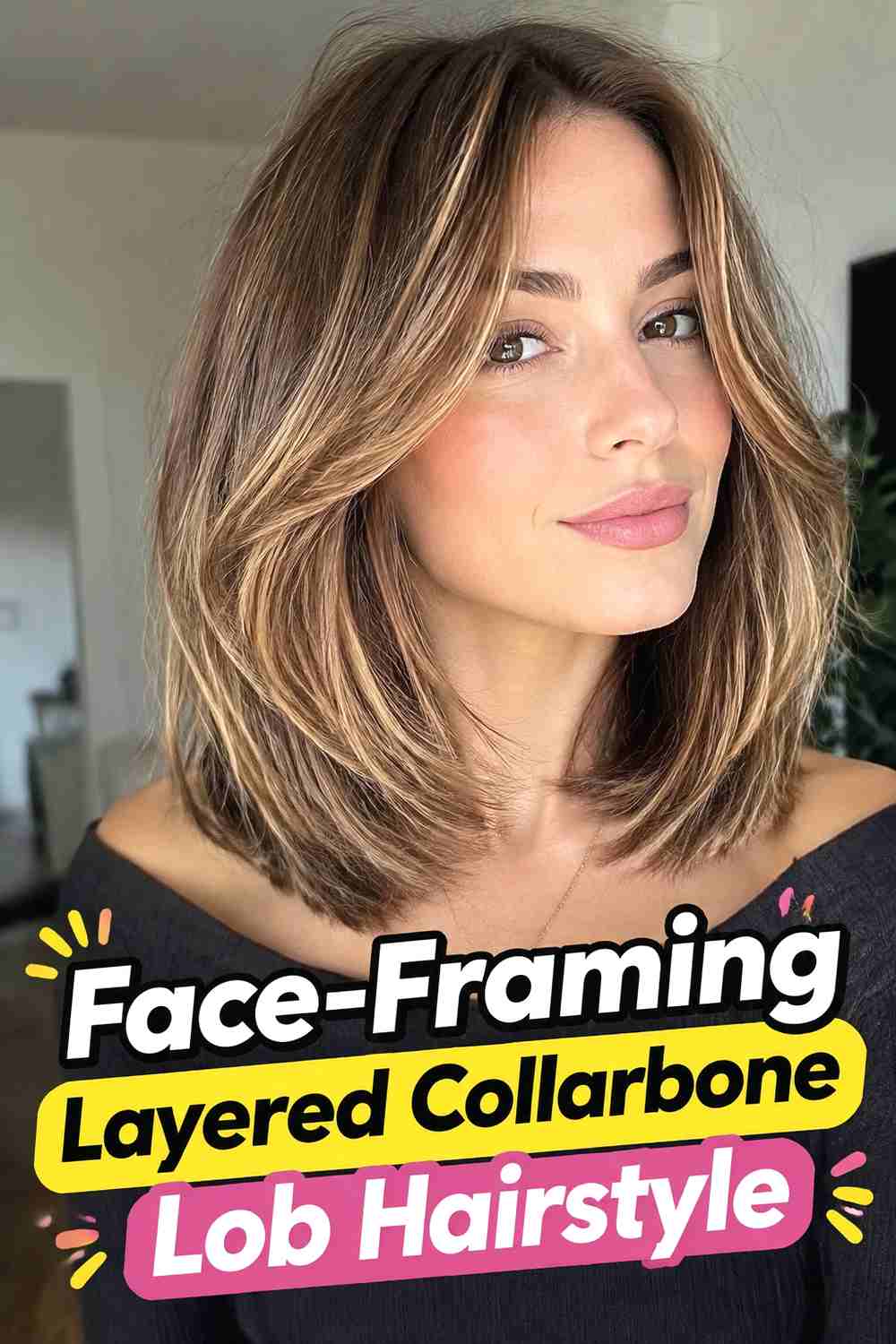
Face-framing layers add movement to a collarbone lob while preserving enough length to maintain a full-looking outline. Shorter pieces can begin around the cheekbones or jaw and gradually connect to the collarbone-length ends, creating a flowing effect around the face. This becomes especially useful with a longline trench coat because the layers prevent the haircut from appearing too blocky beside a structured collar and lapels. The front sections can be blown away from the face for polish or allowed to fall naturally for a softer finish. Medium and thicker hair often accommodate visible layering easily, while finer hair may benefit from fewer, longer layers so the perimeter still looks substantial.
Best For
This variation works well if you want movement without sacrificing the recognizable lob shape. It also gives you more styling flexibility around high trench collars and scarves.
3. Curtain Bangs Collarbone Lob Hairstyle
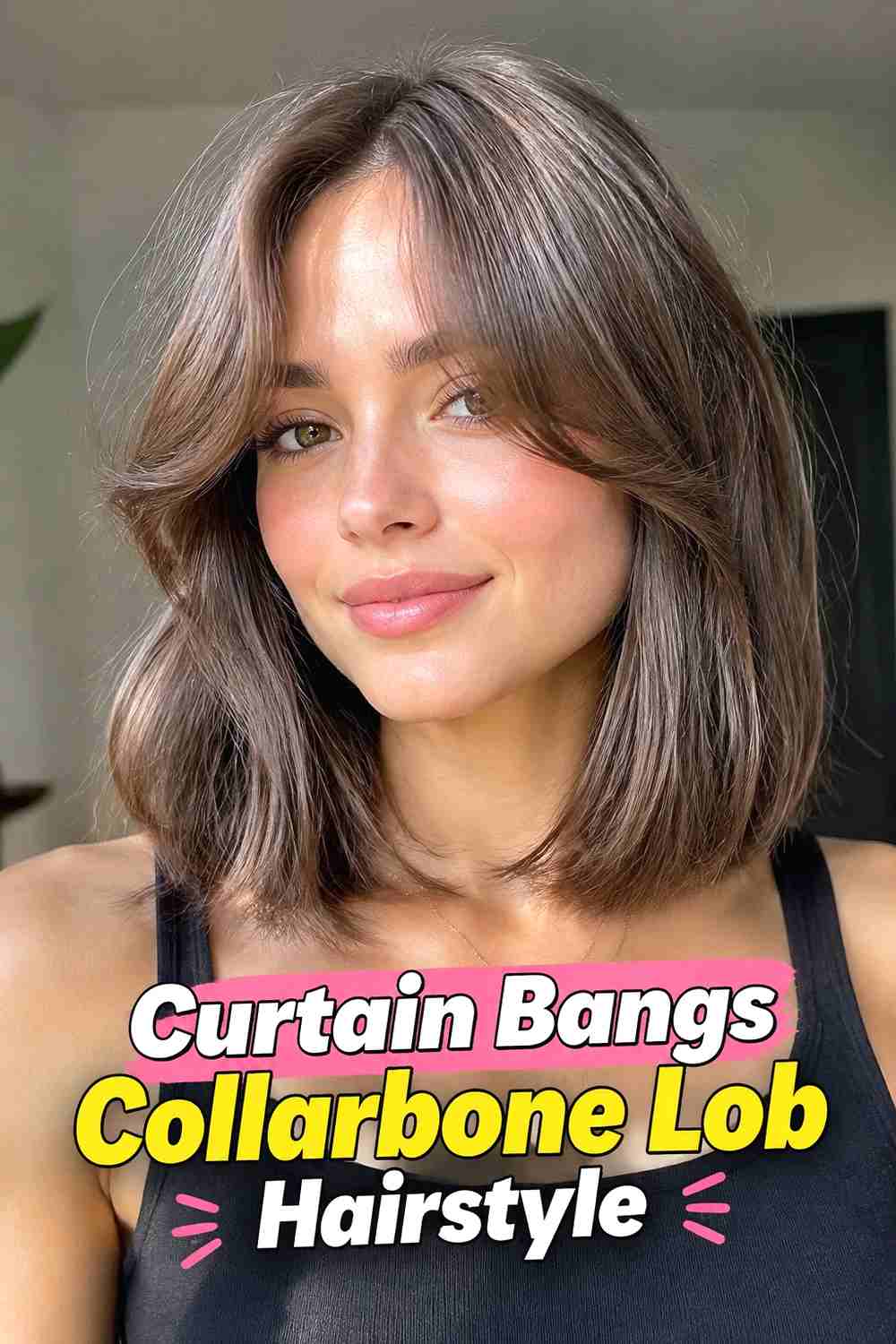
Curtain bangs soften a collarbone lob by introducing movement around the forehead and cheekbones before blending into the longer sides. A center opening keeps the face visible, while the curved fringe creates a graceful transition into the main haircut. That openness works particularly well with a trench coat worn buttoned or belted, when the collar and lapels already create considerable structure around the upper body. The bangs can be styled with a round brush for a polished sweep or left slightly relaxed for a softer finish. Longer curtain bangs are especially versatile because they can be pushed back or tucked into the rest of the lob whenever you want a cleaner, more minimal silhouette.
Wear & Maintenance
Curtain bangs need occasional reshaping to maintain their intended length. Between trims, a quick front-section blow-dry is often enough to restore their outward curve.
4. Sleek Center-Part Collarbone Lob Hairstyle
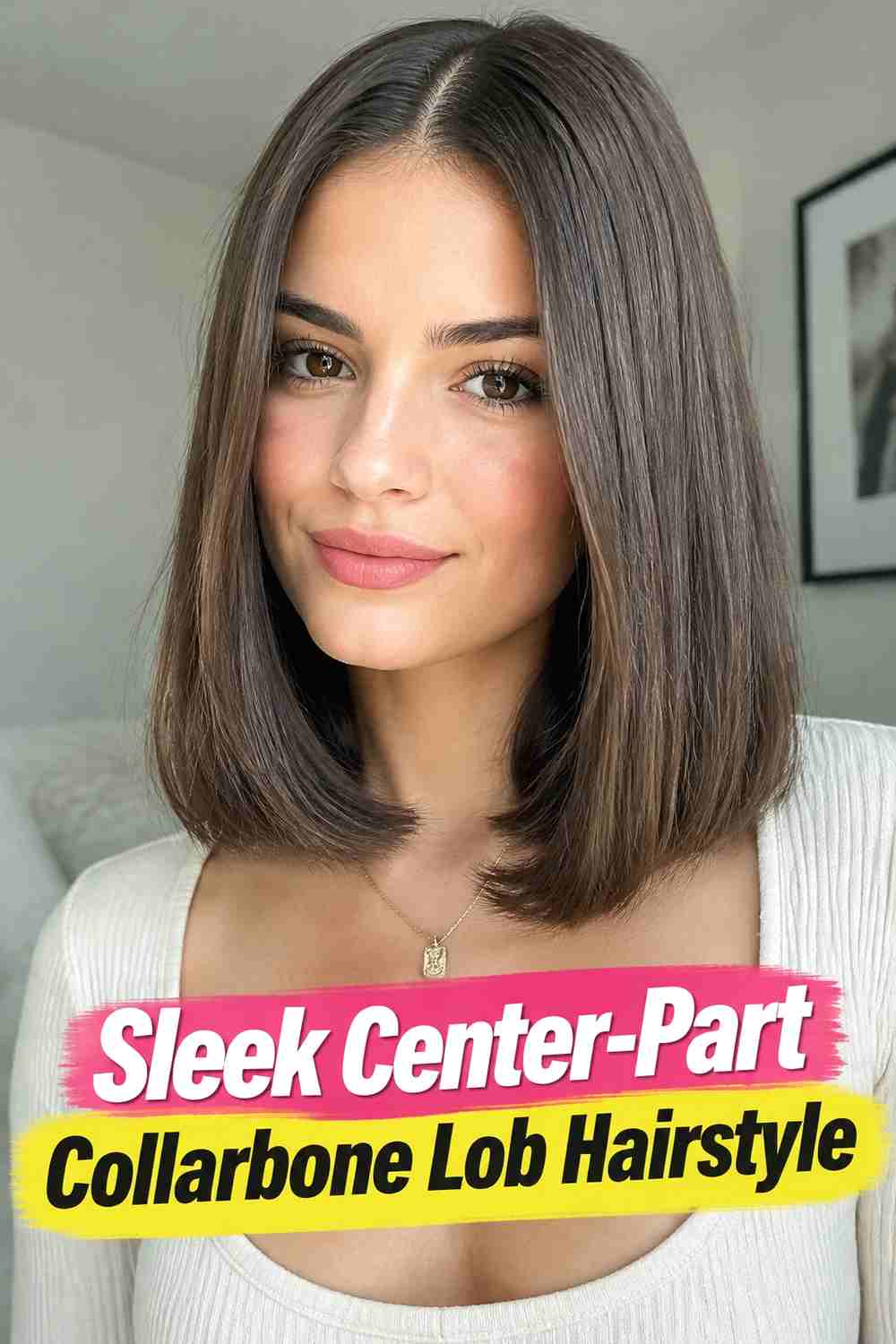
A sleek center-part collarbone lob creates one of the cleanest pairings with a longline trench coat. The symmetrical part and smooth lengths echo the coat’s tailored lines, while the collarbone length prevents the hair from disappearing into the lapels. This style works best when the surface remains polished but not completely rigid; a little natural movement through the ends keeps it modern and believable. Straight and slightly wavy textures can often achieve the look with relatively simple smoothing, while thicker hair may benefit from subtle internal weight removal. The result feels refined without demanding elaborate styling, making it a useful option for workwear, city outfits, and minimalist wardrobes built around structured outerwear.
Pro Tip
Keep smoothing products concentrated through the mid-lengths and ends rather than the roots. This preserves natural lift and prevents the center part from appearing unnecessarily flat.
5. Side-Parted Voluminous Collarbone Lob Hairstyle
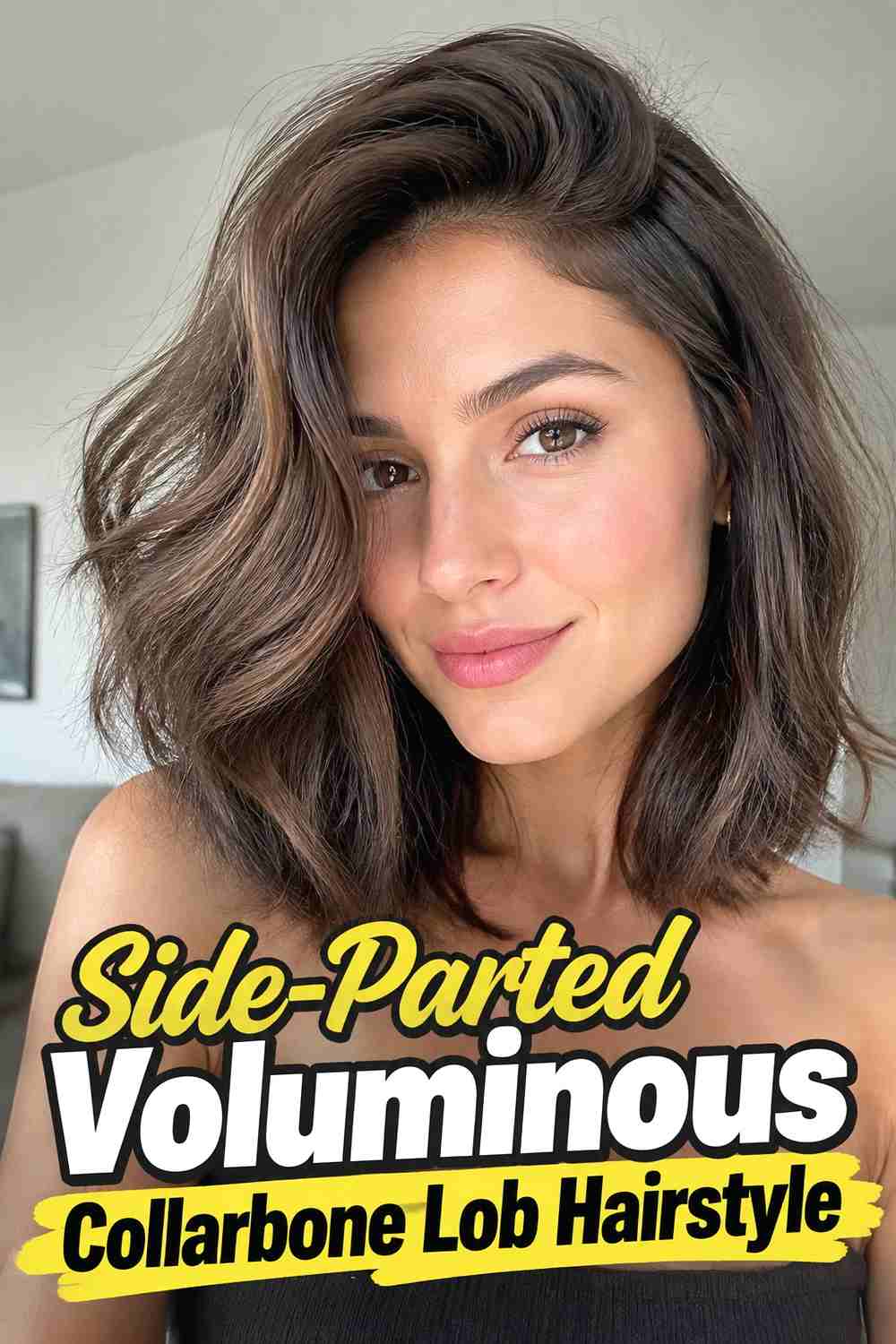
A side-parted voluminous lob brings height and asymmetry to a collarbone-length cut, which can make a structured trench coat outfit feel softer and more dynamic. Moving the part slightly deeper creates natural lift at the front, while broad bends through the ends add fullness without turning the style into tight curls. This shape is especially useful when the trench has prominent lapels because the elevated hair keeps the overall silhouette from feeling too horizontal around the shoulders. Medium and thick hair often hold the volume well, though fine hair can create a similar effect with targeted root lift. Keeping one side closer to the face balances the fuller opposite side and maintains an elegant, wearable proportion.
Styling Notes
Dry the front section against its final direction, let it cool, and then sweep it into place. This creates soft volume without relying on heavy backcombing.
6. Tousled Wavy Collarbone Lob Hairstyle
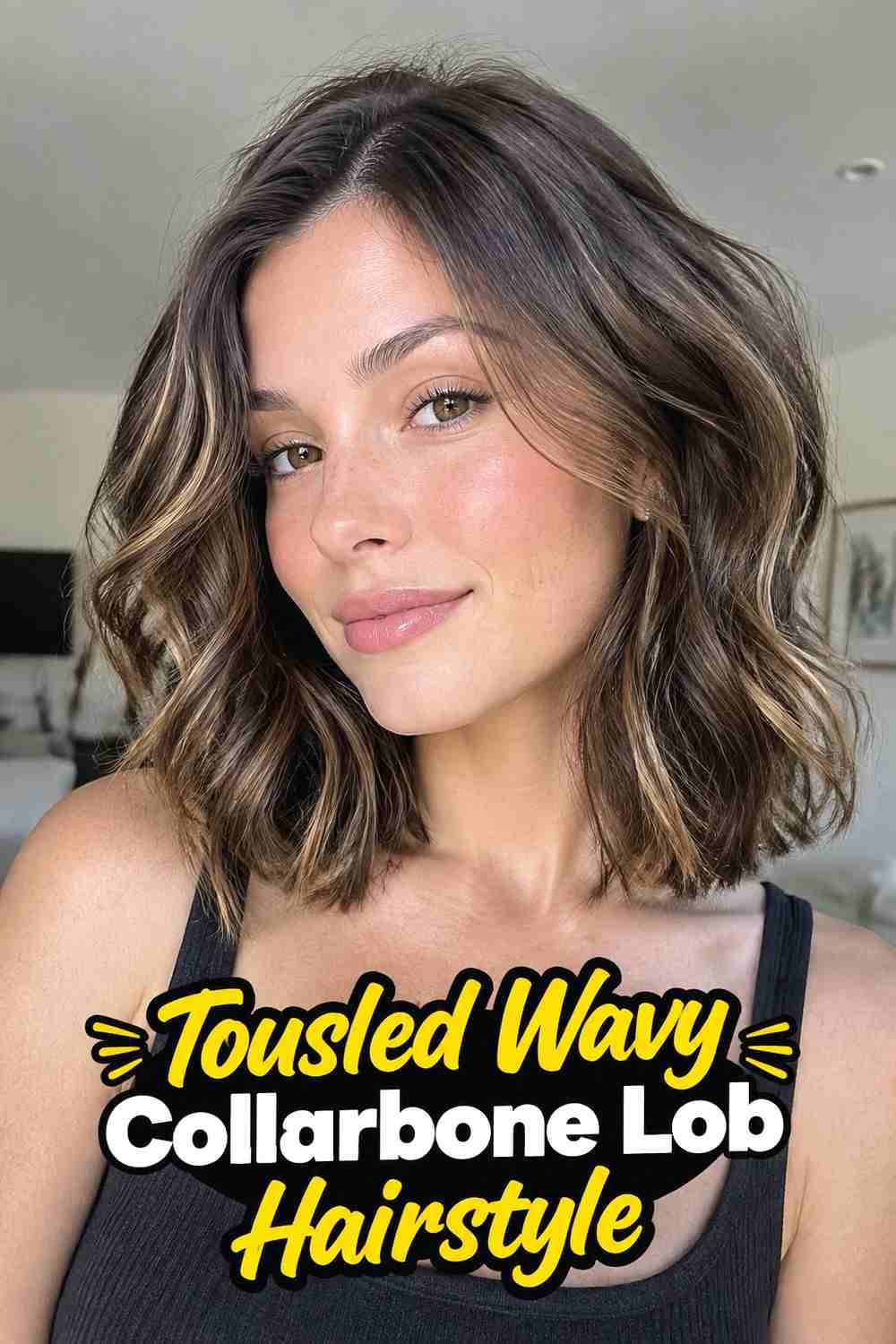
A tousled wavy collarbone lob brings casual texture to the tailored structure of a longline trench coat. Loose, irregular bends create movement through the middle lengths, while slightly straighter ends keep the style modern and prevent the hair from becoming overly curled. The collarbone length is ideal for this finish because the waves remain visible around the coat collar instead of being hidden beneath it. Naturally wavy hair can often achieve the look with minimal enhancement, while straighter textures can use alternating bends for a similar effect. A little imperfection is part of the appeal, so the finished hair should retain soft flyaways, varied wave sizes, and natural separation rather than looking perfectly uniform.
Why It Works
The relaxed wave pattern offsets the coat’s crisp seams and long vertical lines. That contrast keeps the outfit polished without making the overall look feel overly formal.
7. Rounded Ends Collarbone Lob Hairstyle
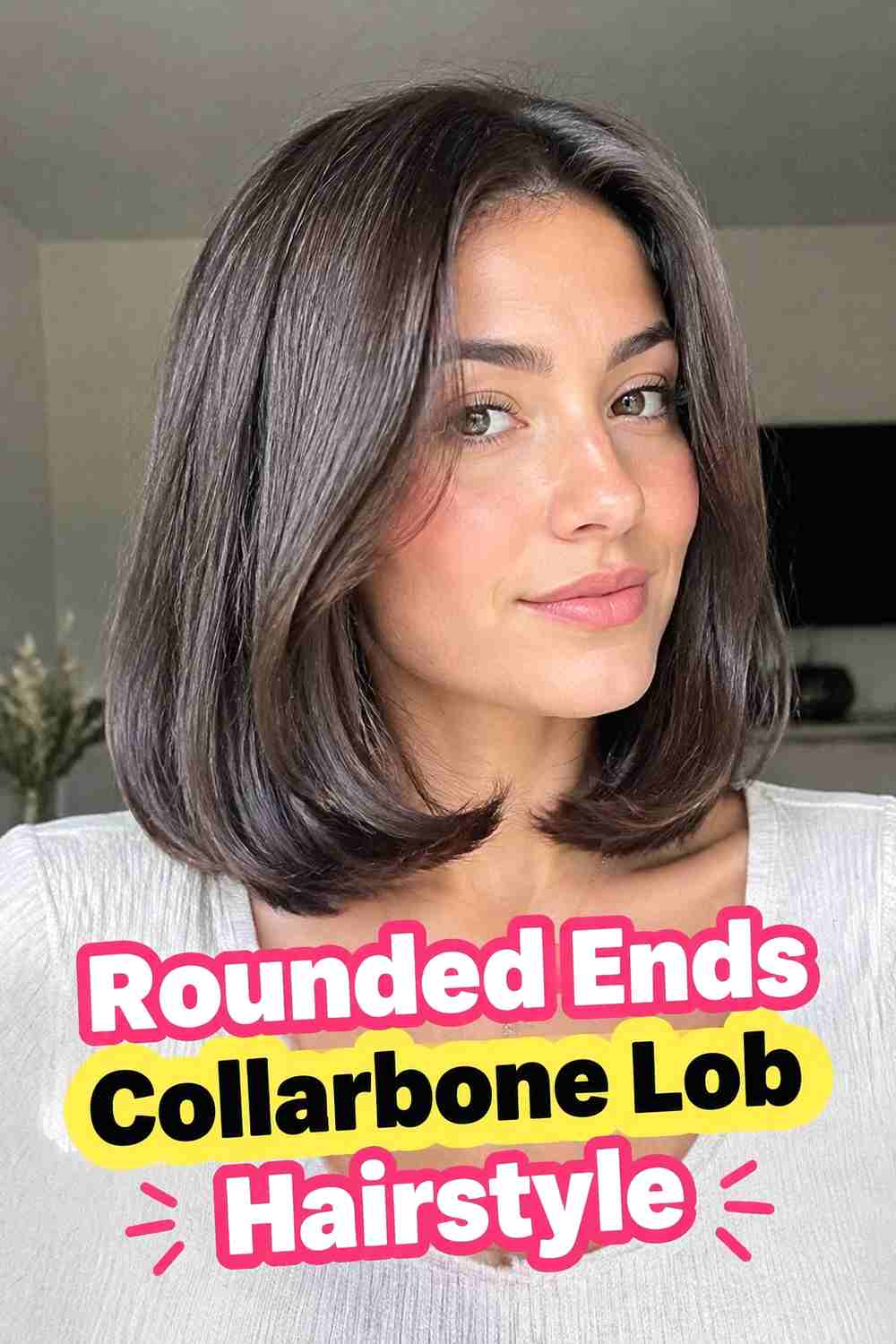
A collarbone lob with rounded ends creates a smooth, softly sculpted silhouette that works particularly well with classic trench coats. Instead of finishing in a blunt straight line, the lower section curves gently inward, giving the haircut a polished shape while retaining natural movement. The rounded edge can sit neatly over a coat collar or fall just outside the lapels, depending on the exact length. Straight and lightly wavy hair usually adapt easily to this finish, and the shape can make medium-density hair look especially substantial. Keeping the crown relatively natural prevents the style from becoming too retro, while a soft side or middle part maintains the clean, sophisticated effect.
Styling Notes
Use a large round brush to turn the final few inches inward without creating a tight roll. Brush through after cooling so the curve looks continuous and soft.
8. Flipped Ends Collarbone Lob Hairstyle
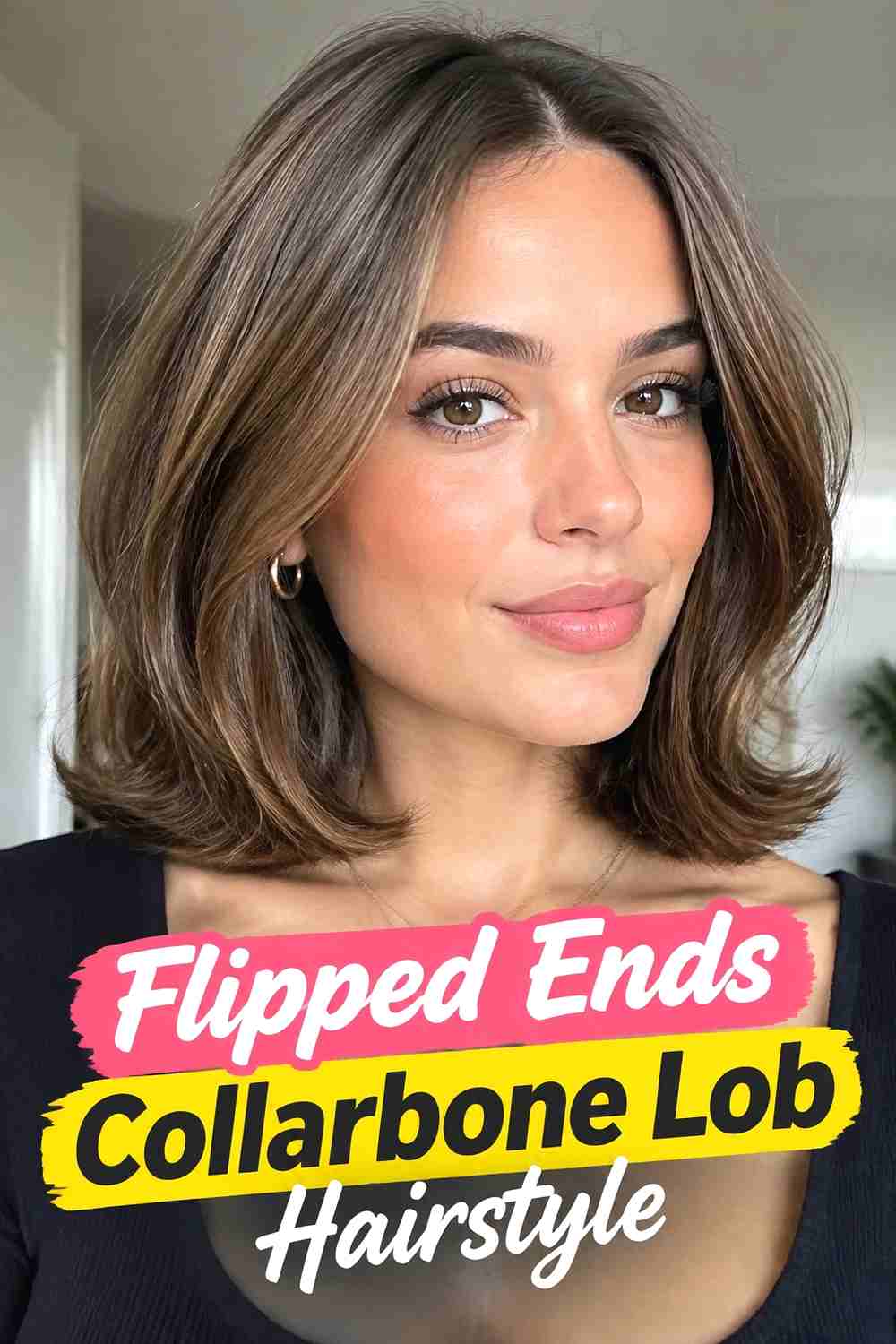
Flipped ends give the collarbone lob a playful direction change that stands out against the long, straight lines of a trench coat. The roots and middle lengths stay relatively smooth, while the bottom section turns outward around the shoulders. Because collarbone-length hair often develops a natural bend where it meets clothing, this style can work with that tendency rather than fighting it. The effect feels slightly retro but still modern when paired with a clean middle part or soft side part. Medium-density hair usually creates the clearest flip, although finer hair can also hold the shape with lightweight styling support. Keeping the upper section understated allows the outward ends to remain the defining detail.
Best For
This version is especially practical if your lob already kicks outward at the shoulders. Styling that natural bend deliberately can turn an awkward growth pattern into a polished feature.
9. Wispy Fringe Collarbone Lob Hairstyle
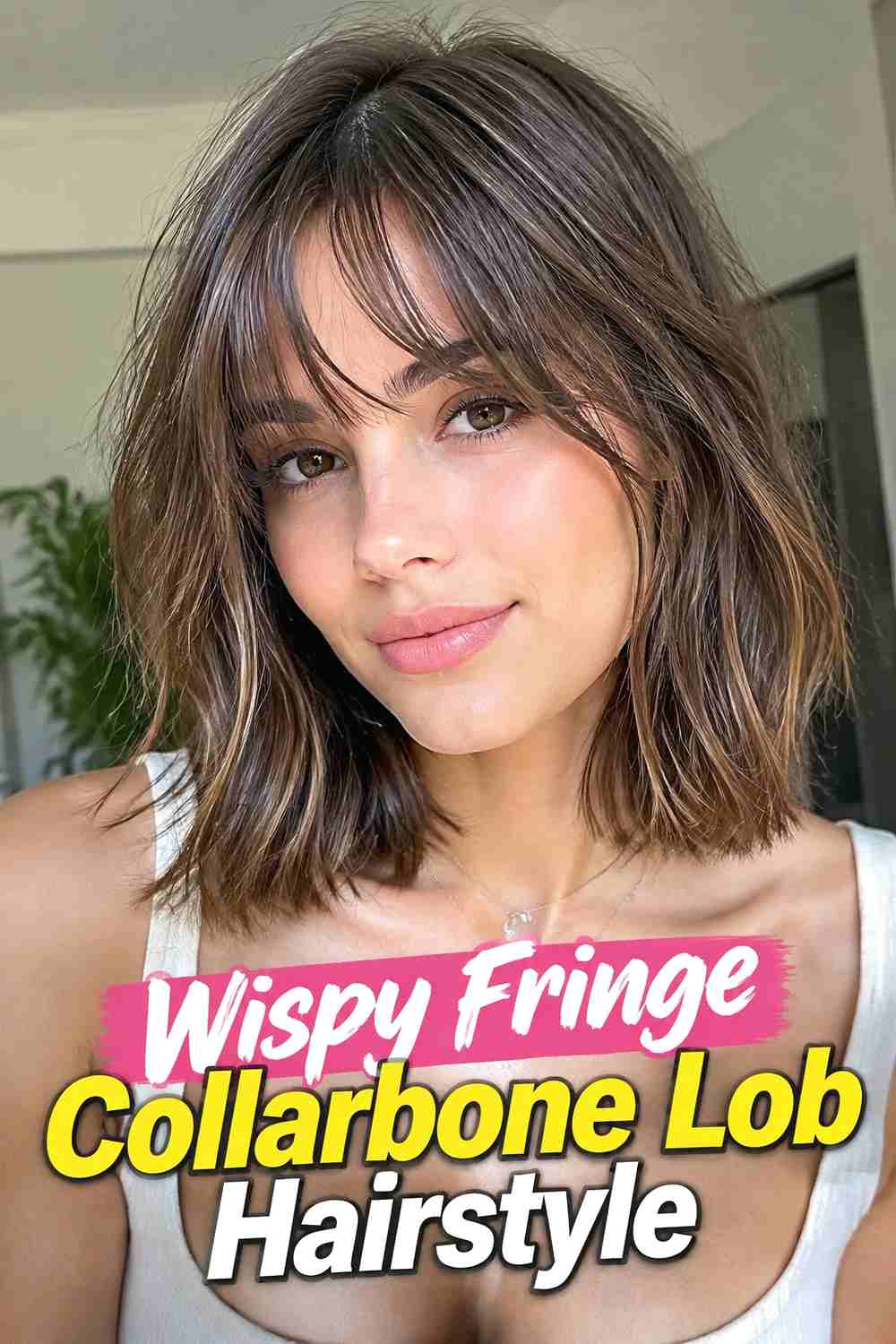
A wispy fringe gives the collarbone lob a light, delicate focal point around the eyes while leaving the rest of the haircut clean and versatile. Fine separated pieces across the forehead create softness without the visual weight of a dense full bang. This makes the style particularly effective with a trench coat worn high at the neck because the fringe adds interest above the collar without closing in the face. The main lob can stay straight, gently bent, or lightly textured depending on the outfit. Wispy bangs tend to look best when they retain natural separation rather than being heavily coated with product, and slightly longer side pieces help connect the fringe smoothly to the collarbone-length hair.
Hair Type & Length
Fine to medium textures often create wispy fringe naturally. Thicker hair may need careful texturizing so the bangs remain light while the rest of the lob retains its density.
10. Polished Tucked-Behind-Ear Collarbone Lob Hairstyle

Tucking a collarbone lob behind one or both ears creates a polished outline that pairs naturally with the sharp lapels of a longline trench coat. A single tucked side introduces subtle asymmetry, while tucking both sides creates a cleaner, more editorial effect. The technique also opens the face and exposes more of the coat collar, which can be helpful when the outerwear has strong architectural details. The remaining lengths can stay sleek or carry a slight bend through the ends. Because the style depends more on placement than elaborate heat work, it can be an easy way to refresh a lob on second-day hair. A neat part and controlled flyaways keep the overall finish intentional.
Why It Works
Removing hair from the sides of the face reduces visual crowding around a structured collar. It also lets earrings, lapels, and other outfit details remain visible.
11. Soft Curly Collarbone Lob Hairstyle
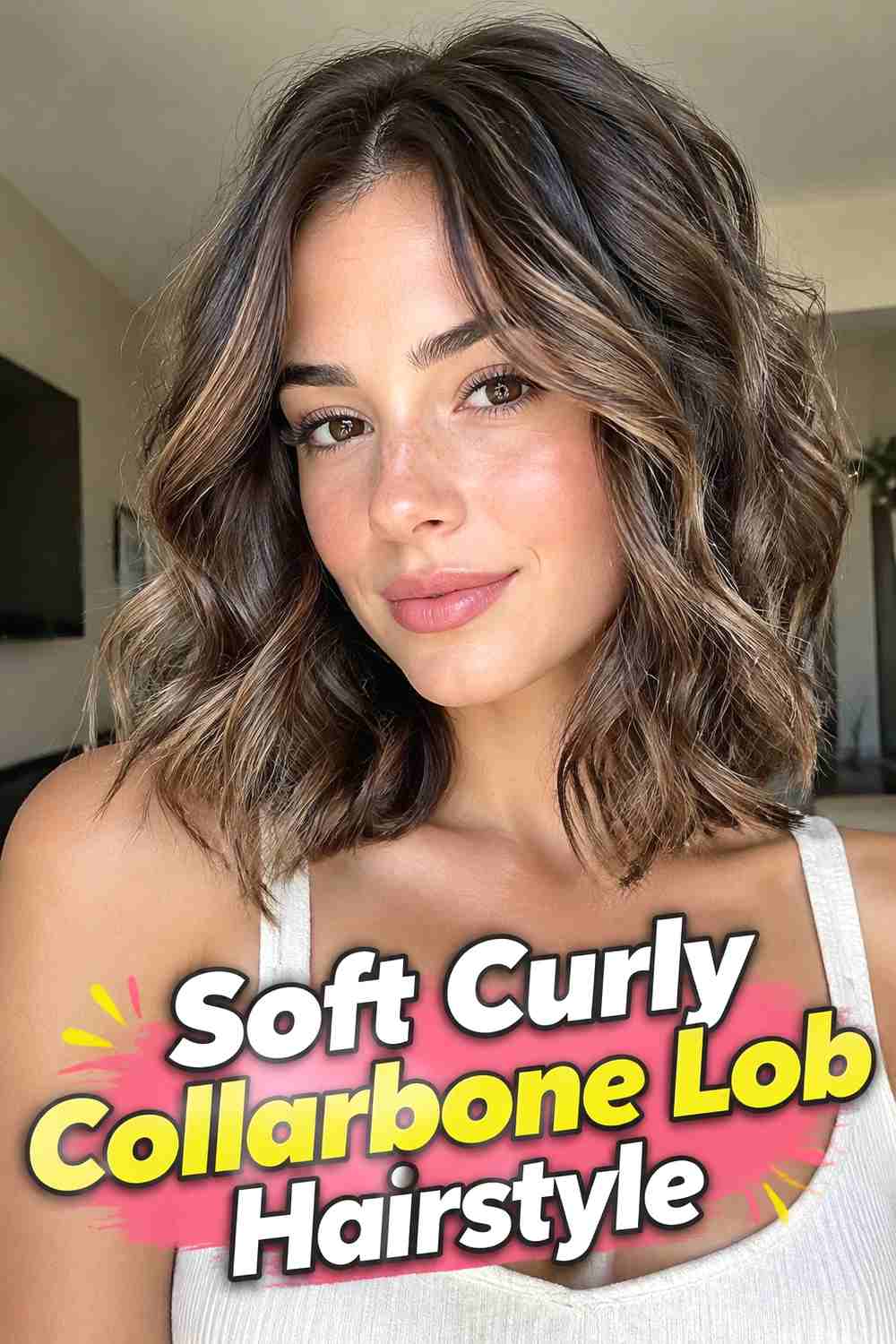
A soft curly collarbone lob gives the haircut natural volume and dimension while retaining enough length for curls to move freely around a trench coat collar. Rather than forcing every curl into the same pattern, the style looks best when individual spirals and waves keep their natural variation. A few shorter pieces around the face can prevent the front from appearing too heavy, while a balanced perimeter maintains the recognizable lob silhouette. Because curly hair can shrink significantly as it dries, the intended collarbone length should be judged in its finished state. The combination of textured hair and a structured trench creates appealing contrast, particularly when the coat itself is clean, simple, and minimally detailed.
Wear & Maintenance
Refresh only the curls that need definition instead of restyling the entire haircut. Lightweight moisture and flexible hold help preserve movement without weighing down the shape.
12. Feathered Collarbone Lob Hairstyle
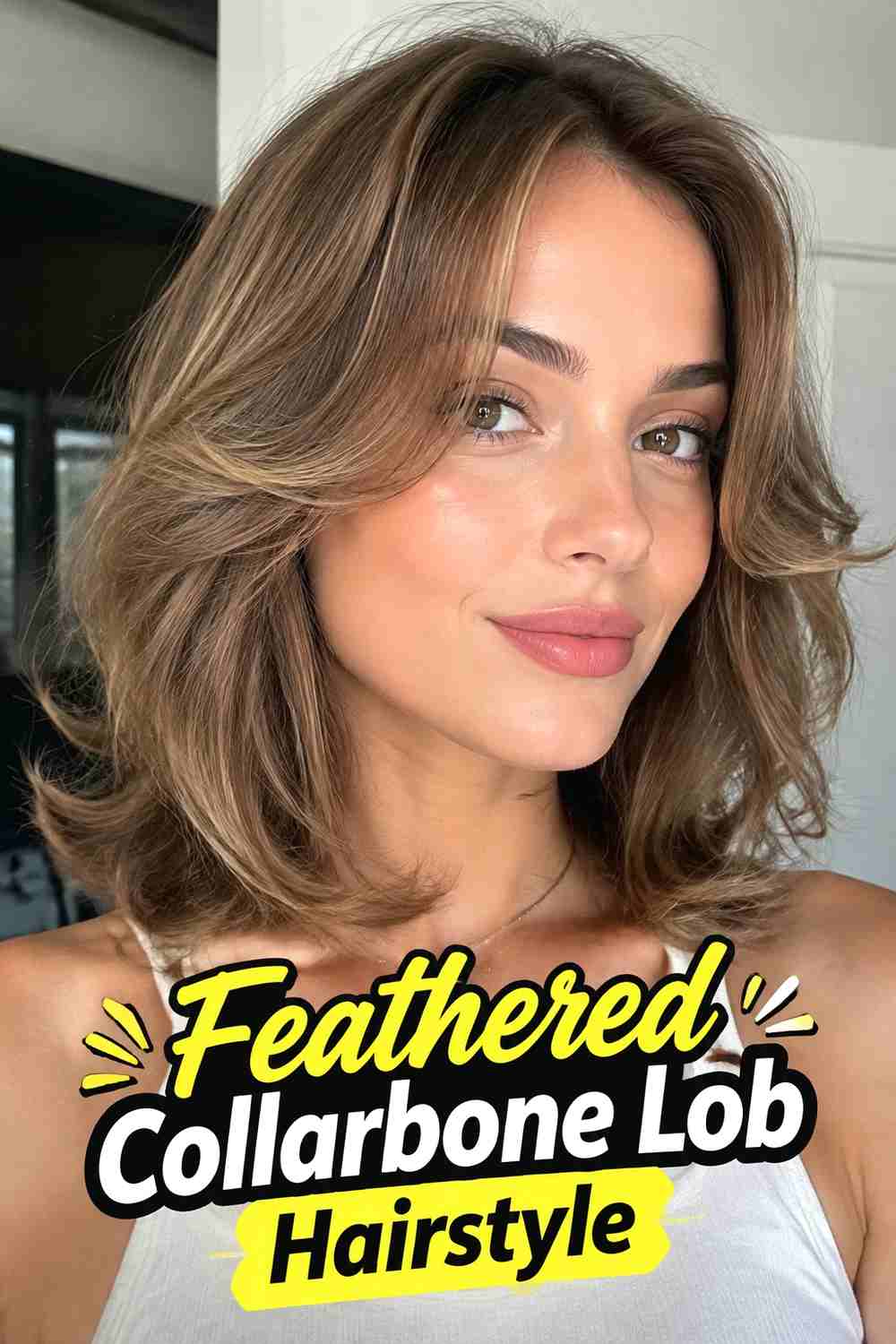
A feathered collarbone lob uses light, swept layers to create movement away from the face and through the ends. The feathering makes the haircut appear airy, which balances the substantial fabric and long silhouette of a trench coat particularly well. Front pieces can begin near the cheekbones or jaw, then gradually blend into the collarbone length so the overall cut still looks cohesive. This style has a subtle retro influence, but keeping the volume controlled and the ends flexible makes it feel contemporary. Medium to thick hair usually supports visible feathering easily, while finer hair may benefit from a restrained version with fewer layers. The finished shape should feel flowing rather than sharply separated.
Pro Tip
Direct the front layers away from the face while blow-drying, then brush them gently together. This keeps the feathering soft instead of creating stiff individual sections.
13. Textured Piecey Collarbone Lob Hairstyle
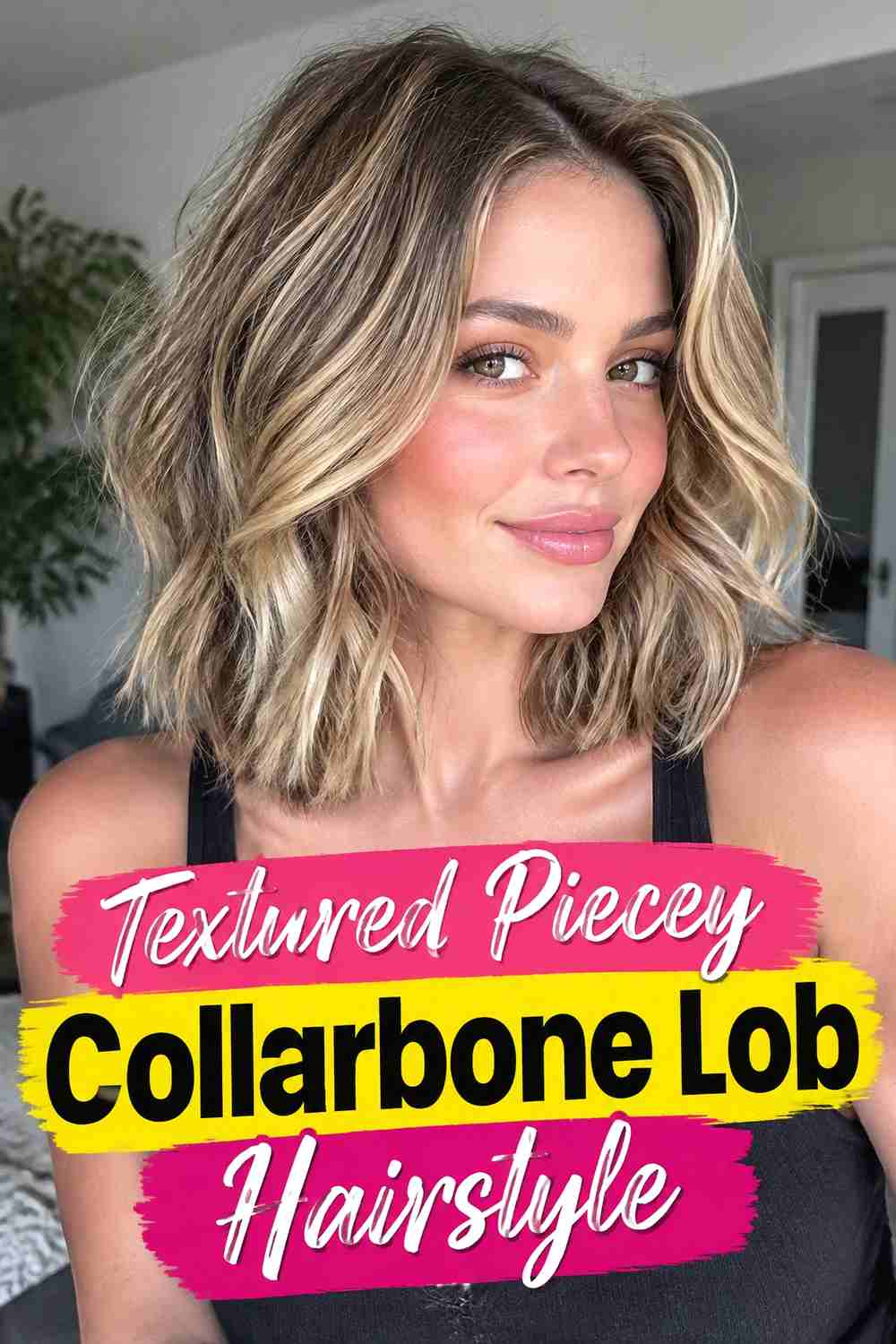
A textured piecey lob breaks up the collarbone-length perimeter with subtle separation and irregular movement. Small bends, lightly defined ends, and a few face-framing pieces give the cut an effortless quality that contrasts nicely with the polished structure of a longline trench. The style works particularly well when you want the outfit to feel relaxed rather than corporate or overly formal. Medium-density hair often creates the ideal amount of separation, though most textures can adapt the idea with appropriate styling. The key is restraint: individual pieces should look naturally defined rather than coated or stiff. Leaving some sections smooth beside more textured strands creates the believable variation that makes this lob feel modern.
Styling Notes
Use only a small amount of lightweight cream or texture product on selected ends. Too much product can collapse the airy movement and make the haircut look stringy.
14. Glossy Straight Collarbone Lob Hairstyle

A glossy straight collarbone lob creates a crisp, streamlined look that mirrors the sophistication of a tailored trench coat. The hair falls smoothly from roots to ends, with enough natural body to avoid appearing pressed flat against the head. A full perimeter gives the cut substance, while the collarbone length allows the ends to remain visible around the coat’s neckline. This style can work especially well for straight and gently wavy textures, although thicker hair may require careful smoothing to maintain an even silhouette. The shine should look natural rather than glassy or artificial, with individual strands still visible. A clean center part emphasizes symmetry, while an off-center part can soften the effect slightly.
Wear & Maintenance
Protect the clean outline with regular trims and avoid overloading the lengths with oils. Lightweight smoothing products help control flyaways while preserving movement and volume.
15. Old-Money Blowout Collarbone Lob Hairstyle
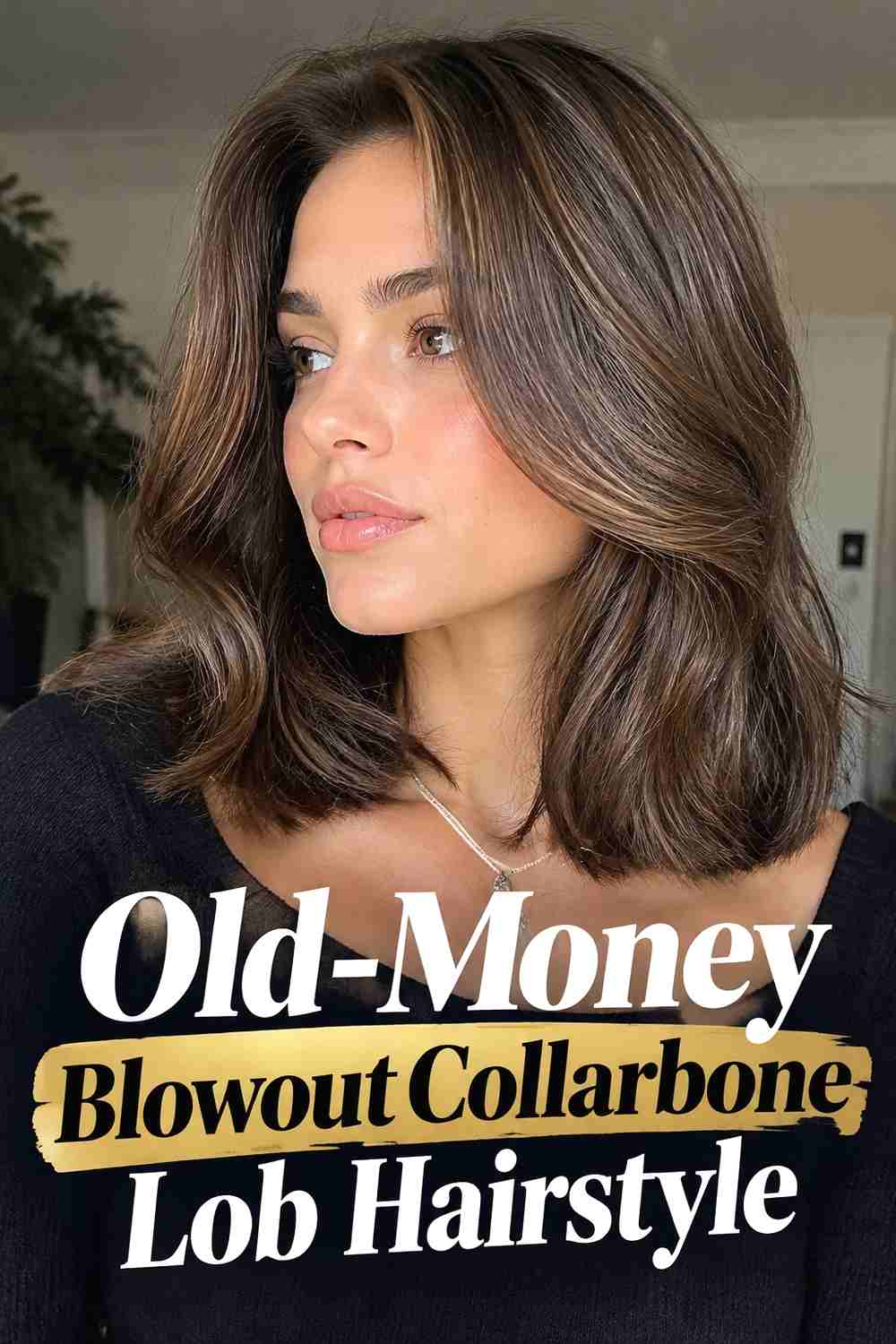
An old-money blowout collarbone lob relies on controlled volume, broad curves, and a smooth, expensive-looking finish rather than exaggerated height. The roots have gentle lift, the front sections sweep softly away from the face, and the ends form substantial bends that make the haircut appear full. Paired with a beige, camel, navy, or classic khaki trench, the hairstyle creates a quietly polished effect that feels timeless without becoming overly formal. The collarbone length keeps the volume compact and manageable, making it easier to maintain than a similar blowout on very long hair. Medium to thick hair naturally supports the silhouette, while finer hair can focus volume around the crown and front.
Styling Notes
Use large sections and broad curves instead of tight curls. Once everything has cooled, brush through gently so the hair forms one cohesive, flowing shape.
16. Soft Vintage Collarbone Lob Hairstyle
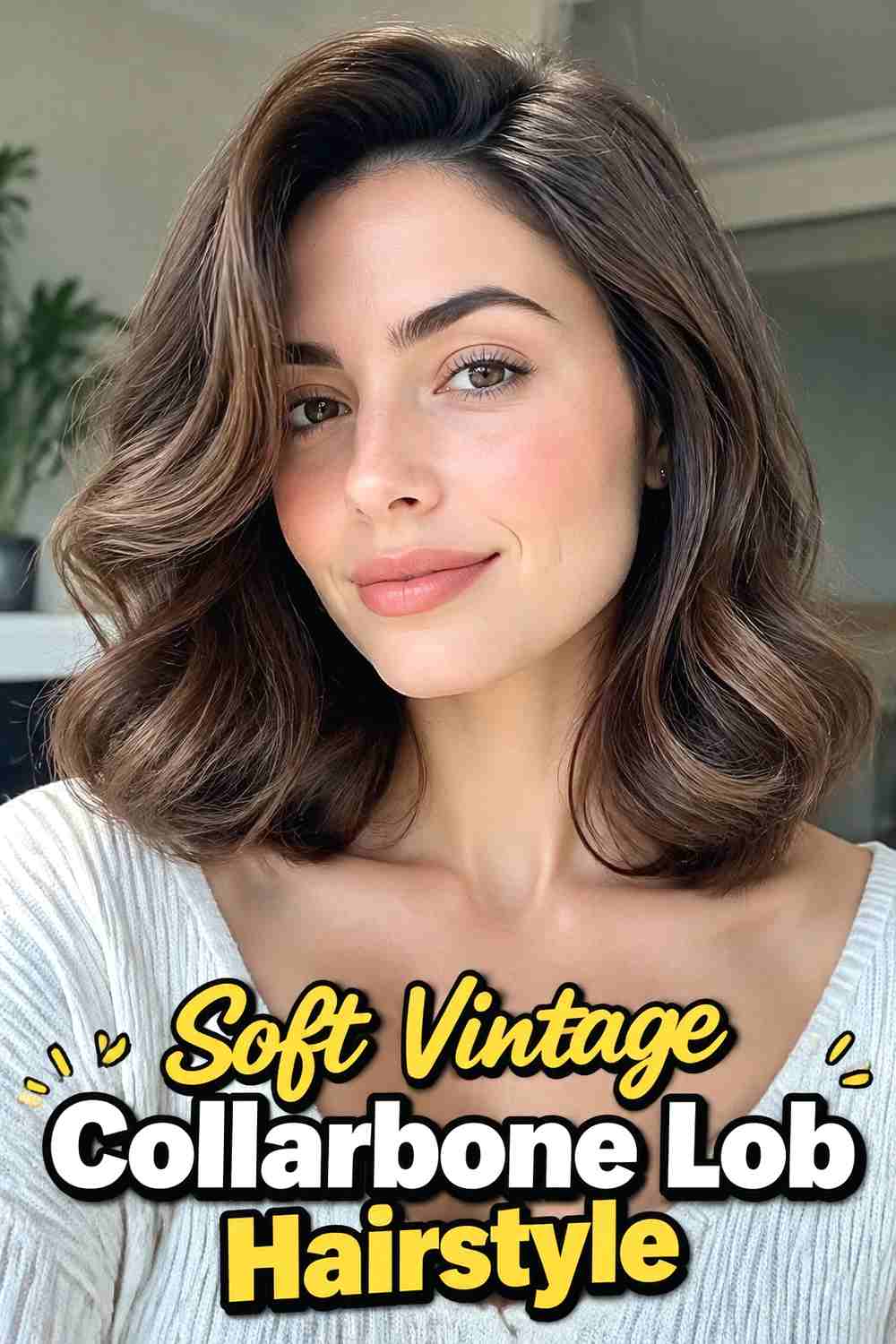
A soft vintage collarbone lob introduces gentle retro influence through rounded movement, curved front sections, and subtle volume at the crown. Instead of recreating a rigid period hairstyle, this version keeps the finish loose and touchable so it works naturally with contemporary trench coats. The ends can turn inward or form a slight outward sweep, depending on your preferred silhouette. A soft side part adds elegance, while a center part makes the same movement feel more modern. Because the trench coat already carries a classic fashion association, the vintage-inspired lob creates a cohesive mood without needing elaborate accessories. Natural texture, flexible movement, and restrained volume keep the finished look wearable for everyday outfits.
Why It Works
Both the trench coat and vintage-inspired lob reference classic silhouettes. Keeping the hair soft rather than highly set prevents the combination from looking costume-like or overly themed.
How to Choose the Right Look
Start with your natural texture and density. Straight hair can highlight the strong perimeter of a blunt or glossy lob, while naturally wavy hair is well suited to tousled, piecey, and feathered versions. Curly textures can preserve their movement while shaping the overall cut to sit around the collarbones when dry.
Think about the trench coat collar as well. Wide lapels leave room for soft waves and fuller blowouts, while high buttoned collars often look cleaner with tucked sides, face-framing layers, or hair that has more volume toward the crown than the shoulders.
Styling time matters too. Sleek finishes and rounded ends may need deliberate heat styling, while textured or wavy lobs can often tolerate a more relaxed routine. Blunt shapes also show growth more quickly than feathered or layered cuts.
Finally, decide whether you want harmony or contrast. A polished straight lob echoes the coat’s structured lines, while curls, waves, flipped ends, and airy layers soften them.
Final Thoughts
Collarbone lobs and longline trench coats naturally balance each other because one creates a compact horizontal shape while the other adds strong vertical length. Choose a sleek lob for a tailored finish, waves or curls for softer contrast, or face-framing layers when you want extra movement around the coat collar. The most practical option is the one that works with your real texture, styling routine, and favorite trench silhouette.
FAQs
1. What lob length works best with a trench coat?
A lob that finishes around the collarbones is especially versatile because it remains visible around most trench collars without constantly disappearing beneath the coat.
2. Can a collarbone lob work with naturally curly hair?
Yes. The cut can look particularly dimensional on curly hair, but the intended length should be judged when the curls are dry because shrinkage can change where the perimeter sits.
3. Which lob style works best with a high trench collar?
Tucked-behind-ear styles, curtain bangs, and lobs with controlled crown volume can keep the face open and reduce bulk around a high collar.
4. How do I stop a collarbone lob from flipping awkwardly against my coat?
You can either style the ends inward or intentionally create an outward flip. Working with the natural bend caused by the shoulders and collar is often easier than trying to force completely straight ends.
5. Are layers or blunt ends better for a collarbone lob?
Blunt ends create a fuller, more structured perimeter, while layers provide movement and reduce weight. The better option depends on your density, texture, and preferred styling finish.
Save your favorite collarbone lob ideas, share them with someone planning a fresh cut, and explore more polished hairstyle inspiration for your next trench-coat outfit.